

Baby Carrier Temperature Tips: Regulating Your Baby's Temperature in a Carrier
Carrying your baby close is one of the most comforting experiences. It creates a special bond and keeps your little one safe and snug. But as you wrap your baby in a carrier, you might wonder how to keep them comfortable, especially when it comes to temperature. Babies are sensitive to heat and cold, and their tiny bodies need gentle care to stay just right. I’m here to share some warm, practical advice to help you regulate your baby’s temperature in a carrier with ease and confidence.
Baby Carrier Temperature Tips: Keeping Your Baby Cozy and Safe
When you use a baby carrier, your body heat naturally warms your baby. This is wonderful, but it also means you need to watch for signs of overheating or chilliness. Here are some simple tips to help you keep your baby comfortable:
Dress your baby in layers. Thin layers are best because you can add or remove them easily. A cotton onesie with a light sweater or jacket works well. When babywearing, you are considered a layer, the carrier is another layer.
Choose breathable fabrics. Natural materials like cotton or bamboo allow air to flow and help prevent sweating.
Check your baby often. Feel their neck or back to see if they are too warm or cold. Their hands and feet might feel cool, but the core body temperature is what matters most.
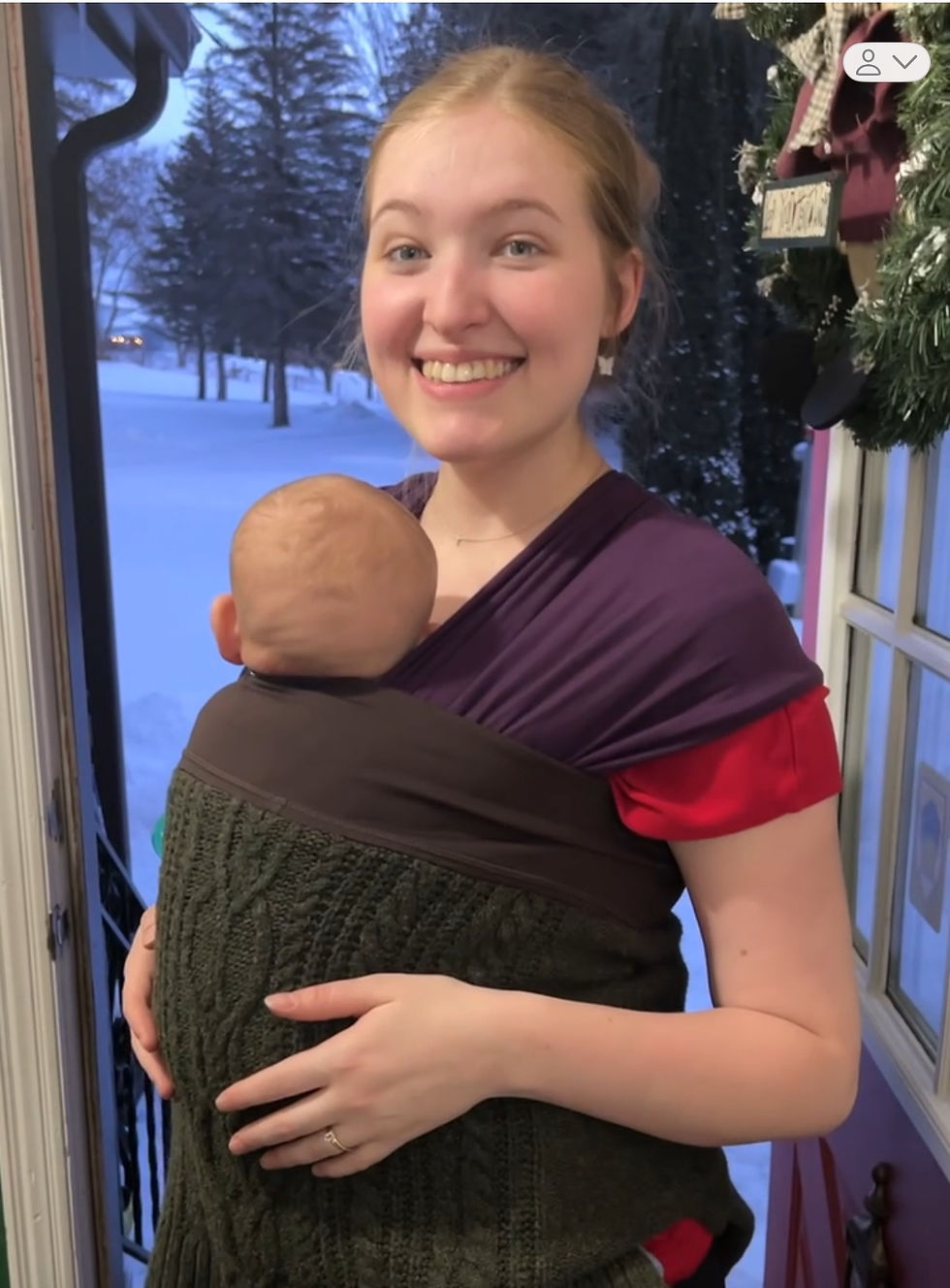
Adjust your own clothing. If you’re warm, your baby might be too. Loosen your layers or open your jacket to let air circulate. If you plan to wear a sweater or jacket, wear it over the carrier rather than under. This will allow you to stay more closely connected to your child, help you regulate their temperature, and allow you to easily peel of layers without disturbing baby.
Remember, your baby’s comfort is the priority. If you notice any signs of discomfort, like fussiness or flushed skin, take a moment to adjust their clothing or your carrier setup.

Understanding Baby Temperature Regulation in a Carrier
Babies cannot regulate their body temperature as well as adults. This means they rely on caregivers to help keep them warm or cool. When you carry your baby close, your body helps regulate their temperature naturally. However, it’s important to be mindful of the environment and your baby’s needs.
For example, in cooler weather, you might add a soft blanket over the carrier or dress your baby in leg warmers or other layers. In warmer weather, lighter clothing and a shaded spot can help prevent overheating. Avoid heavy blankets or thick clothing that can trap heat.
If you want to learn more about baby temperature regulation, there are many resources that explain how to keep your baby safe and comfortable in different conditions.
Practical Tips for Different Seasons
Each season brings its own challenges for keeping your baby comfortable in a carrier. Here are some ideas to help you navigate the changes:
Spring and Fall
Dress your baby in a long-sleeve onesie and a light jacket.
Use a carrier cover or a light blanket if it’s windy.
Keep a hat handy to protect your baby’s head from cool breezes.
Summer
Choose a carrier made of lightweight, breathable fabric.
Dress your baby in a diaper or a thin cotton onesie.
Avoid direct sunlight by using a sunshade or staying in the shade.
Keep your baby hydrated if they are old enough for water.
Winter
Dress your baby in warm layers, including a hat and mittens.
Use a weather-resistant carrier cover to block wind and snow.
Avoid bulky coats inside the carrier; instead, dress your baby in layers and cover the carrier with a blanket.
By adapting your approach to the season, you can keep your baby cozy and happy no matter the weather.
Signs Your Baby Might Be Too Hot or Too Cold
It’s important to recognize when your baby is uncomfortable. Here are some signs to watch for:
Too Hot
Sweaty skin or damp hair
Flushed or red cheeks
Rapid breathing or restlessness
Fussiness or crying
Too Cold
Cool or pale skin
Shivering or stiff body
Quiet or lethargic behavior
Blue lips or fingers (seek medical help immediately)
If you notice any of these signs, gently adjust your baby’s clothing or move to a more comfortable environment. Trust your instincts and remember that small changes can make a big difference.
Creating a Comfortable Babywearing Experience
Using a baby carrier is a wonderful way to stay connected with your baby. When you focus on their comfort, you both enjoy the experience more. Here are some final tips to create a cozy, safe babywearing routine:
Practice at home first. Get familiar with your carrier and how to adjust it.
Keep essentials nearby. Have extra layers, blankets, and hats ready.
Stay mindful of your baby’s cues. They will tell you when something isn’t right.
Choose a carrier that supports your baby’s posture and comfort. This helps with temperature control and overall safety.
By paying attention to these details, you’ll feel confident and calm while carrying your baby. Your warmth and care will shine through every step of your journey together.
I hope these baby carrier temperature tips help you feel more prepared and peaceful. Remember, your gentle touch and thoughtful care are the best gifts you can give your baby. Enjoy every moment of closeness, knowing you’re keeping your little one safe and cozy.

$50
Product Title
Product Details goes here with the simple product description and more information can be seen by clicking the see more button. Product Details goes here with the simple product description and more information can be seen by clicking the see more button

$50
Product Title
Product Details goes here with the simple product description and more information can be seen by clicking the see more button. Product Details goes here with the simple product description and more information can be seen by clicking the see more button.
$50
Product Title
Product Details goes here with the simple product description and more information can be seen by clicking the see more button. Product Details goes here with the simple product description and more information can be seen by clicking the see more button.


Comments